

Blog Details
What We Inherit, What We Pass On...
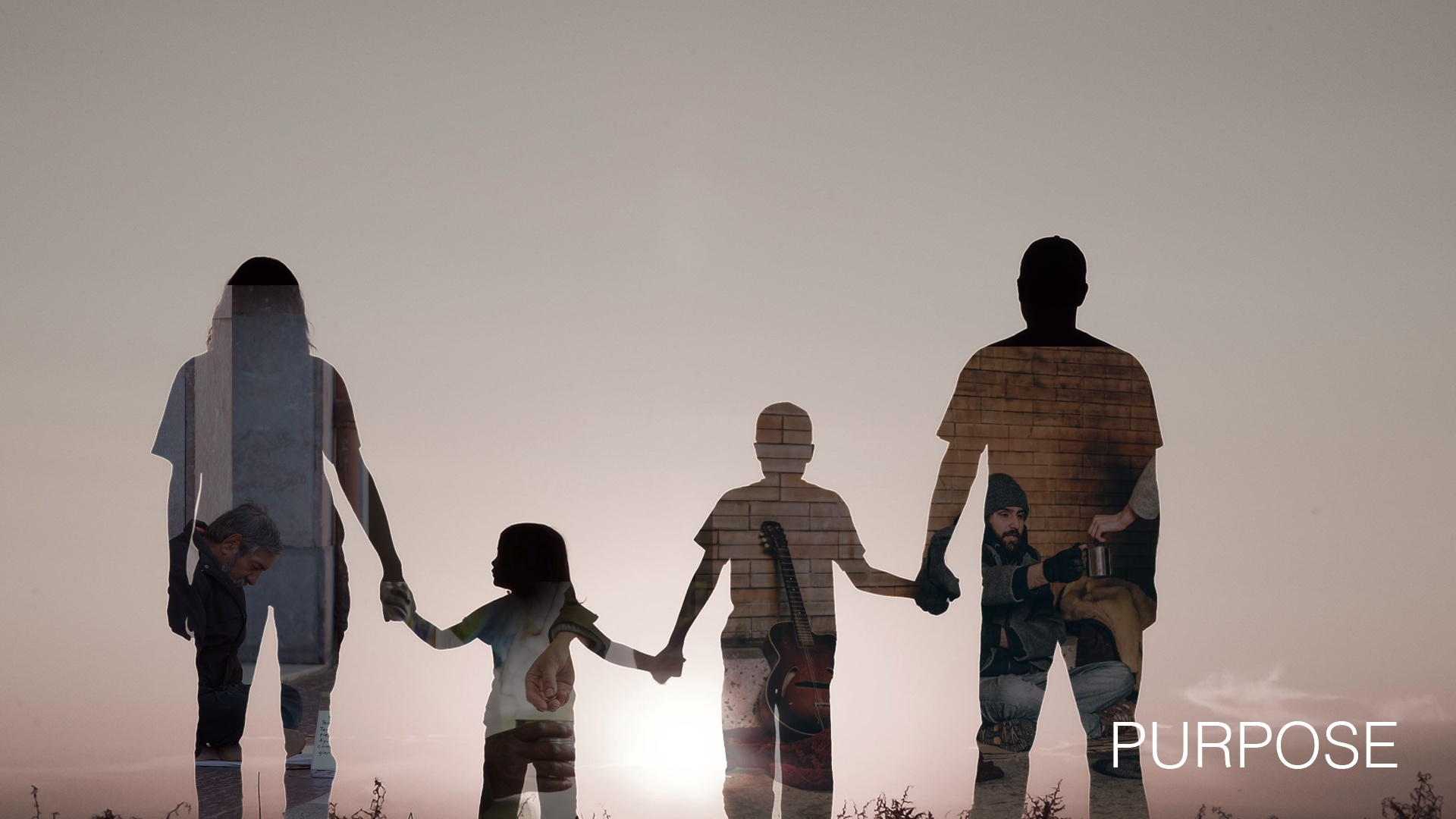
A few weeks ago, a reader named Gary shared a story with me that I haven't stopped thinking about. Walking through cities with his young children, he would pass someone panhandling, move on, then quietly send one of his kids back with a dollar and a kind word.
A few weeks ago, a reader named Gary shared a story with me that I haven't stopped thinking about. Walking through cities with his young children, he would pass someone panhandling, move on, then quietly send one of his kids back with a dollar and a kind word.
Years later, he and his family collect loose change from drawers and car seats, bag it in small amounts, and his teenagers hand it to anyone in need, with a note that simply says they hope things improve.
He wondered whether it made any difference. I think it makes all the difference. Because Gary wasn't just giving money. He was transmitting generosity itself, teaching his children, through ritual and repetition, what it means to see another human being.
This is the part of philanthropy our industry almost completely ignores: giving is not an individual act. It is a family system. Most of us learned to give the way we learned language, by watching, absorbing, and imitating the people who raised us. The donor at the keyboard is rarely a lone decision-maker. They are the product of a household's values, rituals, and stories about money and responsibility.
Yet digital giving treats every donor as an isolated individual, a single email address, a single card, a single transaction. It has no concept of the dinner-table conversations, the inherited causes, the parent quietly modeling what matters. It cannot see the grandmother whose values shape three generations of giving, or the teenager forming the habits that will define their adult generosity.
Imagine if it could. Imagine giving experiences designed not for individuals but for families, shared causes across generations, rituals that pass values downward, ways for children to participate in meaning rather than just witness it.
The most important philanthropic decision most people ever make is not how much to give. It's whether to teach the next generation to give at all. Gary is teaching his children that generosity is simply part of being human. That lesson will outlive every dollar.