

Blog Details
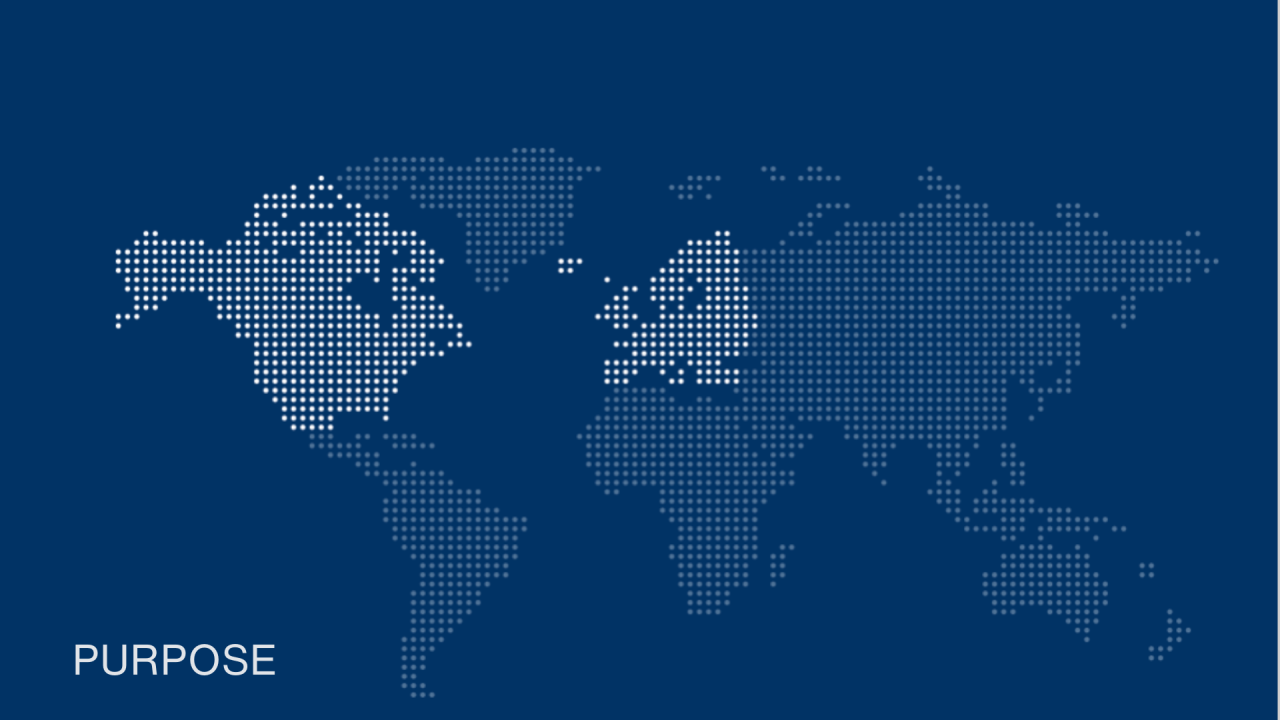
91% of Donations Stay in North America and Europe
95% of philanthropic foundations are based in these two regions. 97% of global foundation assets sit here too.
95% of philanthropic foundations are based in these two regions. 97% of global foundation assets sit here too.
Meanwhile, Africa, Asia, Oceania, and Latin America—home to 6 billion people—receive only 20% of tracked philanthropic funding. And only 13% of grants go directly to organizations based in the communities they serve.
Nonprofits do extraordinary work—often with limited resources and unfair expectations around overhead. They shouldn't have to carry this burden alone.
The answer isn't replacing what works. It's expanding who can contribute to impact:
Nonprofits remain essential—and deserve better funding conditions Impact startups can build scalable, sustainable solutions Research groups drive breakthroughs that change entire fields Social enterprises prove mission and financial sustainability can coexist Local organizations closest to communities need direct access to capital
Impact investing funds and venture philanthropy are bridging the gap between traditional giving and sustainable impact. Organizations like Omidyar Network blend grants with equity investments—supporting nonprofits alongside revenue-generating social enterprises. This hybrid approach proves that philanthropic capital can fuel both charitable missions and scalable solutions.
A more equitable philanthropy isn't about choosing one model over another. It's about funding what works—wherever it exists.
What types of impact organizations do you think deserve more attention from donors?.
Pau Gimeno is the founder and CEO of albane Meaningful Giving, building AI-powered infrastructure for a more equitable digital philanthropy ecosystem.
#Philanthropy #SocialImpact #FounderJourney #NonprofitLeadership #TechForGood #socialenterprises #impactstartups